







Search Results for: SOE extraction parameters
SOE Single-Origin Espresso: A Detailed Guide to Flavor Characteristics, Suitable Drinks, and Extraction Parameters
SOE stands for Single Origin Espresso, which is espresso made from a single-origin coffee. It involves using single-origin beans typically used for pour-over and extracting them under high pressure in an espresso machine, resulting in espresso with amplified flavors. Due to factors such as roast level, grind size, and changes in bean crop year, the consistency of SOE output is difficult to control, so beans that can highlight the basic flavors of their region are usually chosen. This article will introduce the concept of SOE, its flavor characteristics, suitable drinks to make with it (Americano, latte, etc.), and use "Front Street · Huakui" as an example to share specific extraction parameters and preparation process, helping coffee enthusiasts more clearly understand the methods and charm of SOE. [more…]
An In-Depth Analysis of SOE Coffee: Flavor Advantages of Single-Origin Espresso, Comparison with Blends, and Extraction Parameter Demonstrations
In recent years, SOE coffee has gradually become a popular option on café menus. SOE refers to espresso made from single-origin beans. This article will help you clarify the essential differences between SOE and blend beans: blends emphasize the complementary balance of multiple beans and a rich crema, making them very beginner-friendly; SOE amplifies the personality of beans from a single origin, with more pronounced floral notes and fruity acidity, and is also more difficult to extract. The article will also compare the pros and cons of the two, recommend several Front Street SOE beans worth trying, and, using Mozart SOE as an example, fully share espresso extraction parameters and operating steps, teaching you to make an SOE espresso that can be drunk straight as well as transformed into an Americano or latte. [more…]
An In-Depth Analysis of Ideal Extraction Parameters for SOE Espresso and Common Sourness and Astringency Issues
SOE, as an espresso made from single-origin coffee beans, has gained attention for its distinct origin flavors. However, an espresso machine, under high temperature and pressure, magnifies the beans' inherent flavors exponentially; if light-roasted beans are used, fruity acidity can easily turn into an unpleasant sourness. To craft a clear-styled, balanced SOE, careful consideration is needed from bean selection and parameter settings to drink pairing. This article takes several Front Street Coffee SOE beans as examples to break down extraction standards and preparation procedures in detail, helping coffee enthusiasts avoid common pitfalls and recreate a sweet, smooth SOE beverage at home. [more…]
A Comprehensive Analysis of SOE Single-Origin Espresso: Definition, Bean Selection Logic, and Huakui Extraction Parameters Sharing
SOE stands for Single Origin Espresso, and in recent years it has gained increasing attention in the specialty coffee world. It uses single-origin coffee beans instead of traditional blend beans to make espresso, presenting a completely different flavor profile. This article will start from the definition of SOE, sort out its differences from single-origin beans, blend beans, and pour-over beans, explain why SOE coffee beans are relatively expensive, and recommend several coffee beans that are suitable for both pour-over and making SOE. Finally, taking Huakui as an example, it will share Front Street Coffee's extraction parameters and operating process in detail, helping you make a cup of bright-flavored SOE at home. [more…]
How to make Americano and Latte with SOE Huakui coffee beans? A complete guide to single-origin espresso bean selection and extraction parameters
Nowadays, many coffee shops offer the option to "switch to SOE." From Huakui and Geisha to Yirgacheffe, these single-origin espressos often carry distinct flavor labels, and their prices are slightly higher than regular espresso drinks. What exactly is the difference between SOE and espresso blends? Which coffee beans are more suitable for making SOE? In this article, Front Street Coffee will focus on SOE Huakui coffee beans and explain in detail the whole process, from the approach to bean selection to espresso extraction parameters and the ratios for making Americanos and lattes, helping you make a cup of SOE coffee with clear flavor and balanced taste at home. [more…]
SOE Single-Origin Espresso Explained: Definition, Differences from Single-Origin Beans, and Extraction Parameter Guide
SOE is the abbreviation of "Single Origin Espresso," referring to espresso made from coffee beans of a single origin. It vividly showcases the regional flavors of a specific producing area, yet it differs significantly from pour-over single-origin beans in terms of roast level and extraction method. This article will start from the definition, historical background, advantages, and disadvantages of SOE, sort out the differences between SOE coffee beans and ordinary single-origin beans in roasting and extraction, and take Front Street Ethiopia Red Cherry coffee beans as an example to provide specific SOE and pour-over parameters and flavor comparisons, helping coffee enthusiasts understand this increasingly common form of Italian coffee more systematically. [more…]
What Does SOE Single-Origin Espresso Mean? A Detailed Guide to Flavor Characteristics, Origin Bean Selection, and Extraction Ratio Parameters
SOE has been a hot topic in the specialty coffee circle in recent years. It breaks the framework of traditional espresso blends, using single-origin coffee beans to make espresso. This article starts with the definition and development history of SOE, sorts out the differences between single-origin beans, blend beans, pour-over beans, and espresso beans, explains why SOE coffee beans are relatively expensive, and recommends several coffee beans that are suitable for both pour-over and SOE. Finally, using Huakui SOE as an example, it shares in detail the parameters and operating steps such as dose, yield, and extraction time, helping coffee enthusiasts consistently produce a delicious cup of SOE at home. [more…]
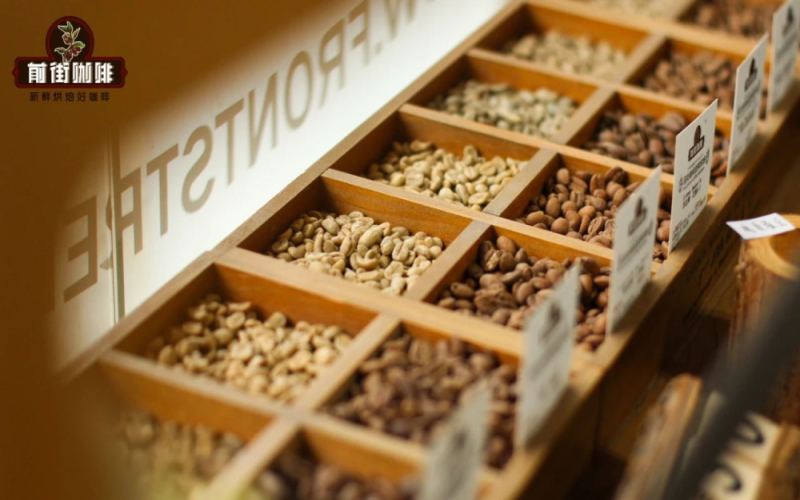
A Complete Guide to SOE Single-Origin Espresso: Flavor Characteristics, Extraction Parameters, and Americano Taste Comparison
SOE (Single Origin Espresso) refers to espresso made from coffee beans of a single origin, which highlights regional flavors. From the perspective of Front Street Coffee, this article outlines the definition, development history, advantages and disadvantages of SOE, and, using the Yirgacheffe natural Red Cherry as an example, provides specific extraction parameters: 20g dose, 28s time, 40g espresso yield, and 150ml hot water, comparing the taste differences between SOE espresso and SOE americano. Whether you want to understand why SOE has become popular in China in recent years, or want to try making espresso with single-origin beans, this article offers a clear reference. [more…]
A Complete Guide to SOE Coffee: Definition, Characteristics, Pricing Rationale, Espresso Extraction Parameters, and Americano & Latte Ratios
SOE stands for Single Origin Espresso, and it has become increasingly popular in recent years amid the espresso boom. This article will help you clarify the definition and characteristics of SOE, explain why it costs more than ordinary espresso, and analyze its advantages of pure flavor and clear layers, as well as its difficulties such as the challenge of nailing the roast level and obvious batch variations. It will also introduce the blending logic of espresso blends, and include espresso extraction parameters for blends such as Front Street Strawberry Candy and for Huakui SOE and Ethiopian Konga SOE, along with the water-to-coffee and milk-to-coffee ratios for making Americanos and lattes with SOE, helping you consistently produce a good cup of coffee at home. [more…]
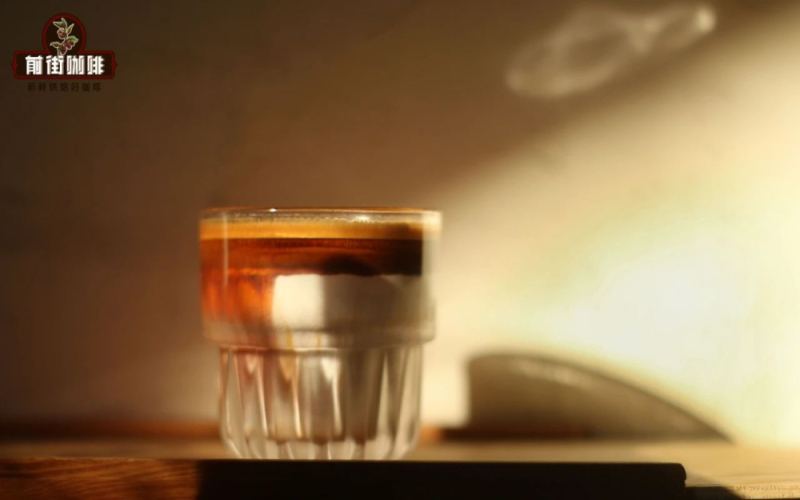
Luckin Yirgacheffe SOE Coffee Flavor Test: Americano and Latte Preparation Methods and Parameters Shared
In 2020, Luckin Coffee launched its specialty SOE limited series, and the Yirgacheffe SOE Americano and Latte quickly drew attention. What is the difference between SOE and blended beans? Is Luckin's Yirgacheffe SOE actually good? Starting from the concept of SOE, this article combines the hands-on testing experience of Front Street Coffee to analyze its flavor performance, and shares in detail the preparation steps, extraction parameters, and home equipment suggestions for SOE espresso, Americano, and Latte. If you are curious about single-origin espresso or want to recreate a smooth cup of Yirgacheffe SOE at home, this content will give you a complete reference. [more…]
How to choose and drink SOE coffee? From definition to extraction parameters, this article thoroughly explains the ins and outs of single-origin espresso.
In recent years, quite a few new terms have popped up in the coffee world—single origin, SOE, specialty blends… leaving newcomers often unable to tell them apart. This article starts from the concepts, first clarifying the differences between specialty coffee, single-origin coffee, SOE, and blends, then discussing what exactly makes SOE special, why cafés are hesitant to use it for their drinks, and how to choose beans for making SOE at home. The article will also draw on several Front Street Coffee beans to provide specific extraction parameters and flavor descriptions, helping you understand single-origin espresso clearly. [more…]
What makes single-origin espresso (SOE) unique? Can a home espresso machine make SOE Americanos and lattes?
In coffee shops, you may often hear about SOE lattes or SOE americanos, which refer to drinks made with espresso extracted from single-origin coffee beans as the base. SOE and blend beans each have their own strengths and weaknesses in terms of flavor expression and extraction difficulty. This article will start with a conceptual analysis to explain why SOE cannot be called blend beans, how blend beans achieve balance through complementarity, and further analyze the advantages of SOE in amplifying origin flavors and the challenges in extraction. Then, using Front Street. Mozart SOE as an example, it shares specific extraction parameters and operational procedures, including dose, yield, time, and grind setting, and finally offers suggestions for drinking it straight, making an americano, or a latte, helping coffee enthusiasts gain a more comprehensive understanding of SOE. [more…]
How is SOE different from espresso blends and pour-over single-origin coffees? A comprehensive analysis from flavor stability to extraction parameters
In recent years, the specialty coffee trend has driven the popularity of SOE, and many coffee enthusiasts are curious about how it differs from pour-over single-origin and traditional espresso blends. From the perspective of Front Street Coffee, this article first clarifies the definitions and roasting differences between single-origin coffee and SOE, then explains why SOE flavors tend to fluctuate and why Front Street has long favored blends and single-origin coffees, and finally provides specific brewing parameters and flavor descriptions for the sun-dried Huakui SOE and Front Street's classic blend, helping you judge whether SOE americano is actually good and how to make it at home without messing it up. [more…]
Can SOE single-origin beans be used for espresso? An article analyzing the flavor characteristics and extraction key points of SOE coffee.
In the world of espresso, SOE (Single Origin Espresso) is attracting more and more attention from coffee lovers. It refers to espresso made from single-origin coffee beans, with the core aim of showcasing the unique flavor personality of a particular origin, rather than pursuing the balanced consistency of blended beans. This article will start with the definition, flavor characteristics, and historical origins of SOE, explain how it differs from traditional blends, and recommend the types of coffee beans suitable for making SOE. At the same time, Front Street Coffee will also share the complete extraction parameters for Huakui SOE and the method for making a latte, helping you make a cup of single-origin espresso with clear flavor at home. [more…]
The Americano and Latte Parameter Adjustment Guide for SOE Espresso: From Extraction Concepts to Flavor Optimization
SOE has been appearing frequently in coffee shops in recent years, but making a satisfying cup of SOE at home is not simple. This article starts from the basic definition of SOE, analyzes its core differences from blended beans, and addresses common problems of light-roast SOE such as sharp acidity and unstable flavor, providing a complete extraction approach from clarifying purpose, applying formulas, to flavor adjustment. Whether you want to drink it directly, add water to make an Americano, or add milk to make a latte, you can find the corresponding parameter adjustment methods. The article also recommends specific beans such as Front Street Coffee. Huakui SOE and Front Street Coffee. Mozart SOE to help you get started quickly in practice. [more…]
SOE Single-Origin Espresso Full Analysis: From Reasons for Its Popularity to Home Brewing Parameters and Buying Tips
In recent years, SOE coffee has been appearing frequently in major coffee shops, and many people's first question upon entering is whether they have SOE. What kind of coffee is it exactly? What are the essential differences between it and traditional espresso blends? Why do SOE lattes and SOE iced Americanos taste sour? From the perspective of Front Street Coffee, this article sorts out the origins and popularity logic of SOE, analyzes the reasons behind the stereotypes of espresso coffee, and provides the extraction parameters and hot latte preparation methods for Front Street's two SOE bean versions. Finally, it reminds readers of the importance of roasting curves and freshness when purchasing SOE beans, helping coffee enthusiasts make a delicious cup of SOE Americano or latte at home. [more…]
SOE Single-Origin Espresso vs. Blended Espresso: Brewing Parameters, Flavor Profile, and Preparation Explained
In specialty coffee drinks, espresso is the foundation that determines flavor. In recent years, SOE (Single Origin Espresso) made from single-origin coffee beans has gradually become popular. It differs noticeably from traditional blended espresso in bean selection, roast level, extraction parameters, and flavor expression. This article will start from the definition of SOE, compare the characteristics of blended coffee beans, analyze why SOE has become popular, and use the washed Front Street Gedingding beans from Ethiopia's Yirgacheffe region as an example to fully demonstrate the production process and extraction parameters of a cup of SOE espresso, while also providing a flavor description to help coffee enthusiasts fully understand this brewing method. [more…]
What exactly are SOE coffee beans? From bean selection to extraction, the standards and flavor story of a proper Espresso
SOE, short for Single Origin Espresso, refers to espresso made from coffee beans of a single origin. Its greatest charm lies in its ability to clearly present the terroir of the origin—one sip lets you identify where the beans come from, what variety they are, and what processing method was used. However, the high-temperature, high-pressure operation of an espresso machine multiplies and amplifies the flavors; when light-roasted beans are used for SOE, the fruity acidity can easily become sharp and astringent, so everything from bean selection to setting extraction parameters to pairing with drinks requires extra care. Compared with traditional blended beans, SOE indeed has a higher extraction threshold, and choosing the right single-origin bean often yields twice the result with half the effort. Starting from the characteristics and story of SOE, this article will sort out the extraction standards for a good Espresso, and, using three Front Street Coffee beans—Brazil Queen's Estate, PWN Golden Mandheling, and Huakui—as examples, share specific parameters and methods for making iced and hot Americanos and lattes. [more…]
Is It Feasible to Make Espresso from Single-Origin Pour-Over Beans? An Analysis of SOE Latte Flavor Characteristics and Extraction Key Points
Can single-origin beans used for pour-over also be used to make espresso? This is a question many coffee lovers are curious about. SOE (Single Origin Espresso) uses single-origin beans as its raw material and, through specific roasting curves and extraction parameters, presents the floral, fruity acidity or nutty, chocolatey notes unique to a growing region. Unlike blended beans, which pursue balance and consistency, SOE places greater emphasis on the recognizability of regional flavors and demands higher bean quality and barista skill. This article will start with the definition, characteristics, and origins of SOE, analyze which coffee beans are suitable for making SOE, and use Front Street Coffee's Huakui as an example to fully demonstrate the parameters and steps from espresso extraction to latte production, helping you make a cup of SOE latte with clear flavor and a smooth mouthfeel at home. [more…]
The Flavor Characteristics of SOE Single-Origin Espresso and Key Points for Making the Perfect Latte
SOE stands for Single Origin Espresso, which refers to espresso extracted from coffee beans of a single origin, with the core purpose of showcasing the signature flavors of a specific region. Unlike blended beans, which pursue balance and consistency, SOE places more emphasis on origin personality, typically using a lighter roast to highlight floral and fruity notes, though there are also darker-roasted styles with nutty and chocolatey characteristics. This article will systematically explain how to make a delicious cup of SOE coffee and latte, covering the definition of SOE, its characteristics, historical origins, bean selection recommendations, and specific extraction parameters, and will also include the complete operating procedure for Front Street Coffee's Huakui SOE. [more…]